
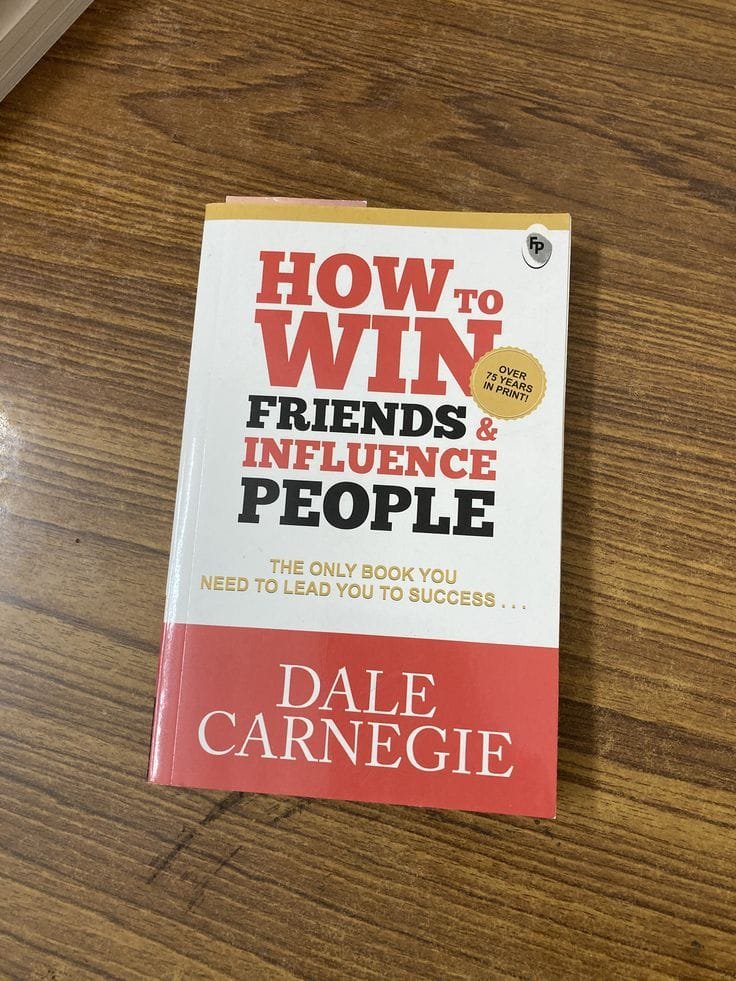

Few self-development books have influenced millions of readers as much as How to Win Friends and Influence People. First published in 1936 by Dale Carnegie, the book has remained one of the most widely read guides on communication, leadership, and human relationships.
Despite being written decades ago, its lessons remain remarkably relevant today. The book teaches a simple truth: success in life depends greatly on how well you interact with other people.
In this detailed How to Win Friends and Influence People book summary and lessons guide, we will explore the key principles from the book and explain how they can help you improve relationships, communication, and influence.
What Is How to Win Friends and Influence People About?
At its core, the book is about understanding human nature. Carnegie explains that people crave appreciation, respect, and recognition. When these emotional needs are met, relationships improve and cooperation becomes easier.
Instead of manipulating others, Carnegie encourages readers to practice empathy, kindness, and sincere interest in people. This philosophy forms the foundation of every principle discussed in the book.
How to Win Friends and Influence People Book Summary
The book is divided into several sections, each focusing on a different aspect of communication and influence.
Part 1: Fundamental Techniques in Handling People
The first section of this How to Win Friends and Influence People book summary introduces three essential rules for dealing with people effectively.
Don’t Criticize, Condemn, or Complain
Carnegie argues that criticism rarely produces positive change. Instead, it often creates resentment and defensiveness.
People naturally resist being judged. When criticism is avoided, communication becomes more productive.
Give Honest and Sincere Appreciation
One of the strongest human desires is the need to feel valued. Genuine appreciation can motivate people far more effectively than criticism.
However, Carnegie emphasizes that appreciation must be sincere. Empty flattery quickly loses its impact.
Arouse in the Other Person an Eager Want
Rather than forcing others to follow your ideas, Carnegie recommends presenting ideas in a way that aligns with their interests.
When people feel that an idea benefits them, they become naturally motivated to support it.
Part 2: Six Ways to Make People Like You
The next section focuses on building positive relationships.
Become Genuinely Interested in Other People
People enjoy talking about themselves and their experiences. Showing genuine curiosity about others builds trust and connection.
Smile
A simple smile communicates warmth and friendliness. According to Carnegie, it can immediately make interactions more pleasant.
Remember People’s Names
Carnegie explains that a person’s name is deeply important to them. Remembering and using someone’s name shows respect and attention.
Be a Good Listener
Instead of dominating conversations, Carnegie suggests listening attentively and encouraging others to share their thoughts.
Good listeners naturally attract respect and appreciation.
Talk in Terms of the Other Person’s Interests
People respond positively when conversations revolve around topics they care about.
Understanding someone’s interests helps build stronger connections.
Make the Other Person Feel Important
Everyone wants to feel valued. Treating people with respect and appreciation strengthens relationships.
Key Lessons from How to Win Friends and Influence People
This How to Win Friends and Influence People book summary and lessons guide reveals several powerful principles.
Empathy Is the Foundation of Influence
Successful communication requires understanding another person’s perspective. When people feel understood, they become more open to collaboration and dialogue.
Respect Creates Cooperation
Respectful behavior encourages mutual trust and positive interactions. Simple gestures like appreciation, listening, and recognition can strengthen relationships significantly.
Influence Comes from Trust
True influence is built on credibility and sincerity. People are more likely to follow individuals they trust and respect.
How the Book Applies to Modern Life
Although written nearly a century ago, the lessons in How to Win Friends and Influence People remain relevant in modern society.
These principles apply to:
-
Workplace leadership
-
Networking and professional relationships
-
Personal friendships
-
Customer relationships in business
In every situation involving people, strong communication skills make a meaningful difference.
Why the Book Remains Popular
Since its publication, How to Win Friends and Influence People has sold millions of copies worldwide.
Its continued success comes from its simple yet powerful advice. Instead of complicated theories, Carnegie offers practical principles that readers can apply immediately.
The book’s conversational style and relatable examples also make the lessons easy to understand.
Frequently Asked Questions
What is the main idea of How to Win Friends and Influence People?
The book teaches that understanding human psychology and treating people with respect helps build strong relationships and influence others positively.
Why is How to Win Friends and Influence People important?
The book provides timeless communication principles that help improve personal and professional relationships.
Is How to Win Friends and Influence People still relevant today?
Yes. The core principles of empathy, appreciation, and respectful communication remain valuable in modern society.
Final Thoughts
This How to Win Friends and Influence People book summary and lessons guide highlights an important truth: success in life often depends on how well we interact with others.
By showing genuine interest, offering sincere appreciation, and communicating with empathy, individuals can build stronger relationships and influence people in positive ways.
These timeless principles explain why the book continues to inspire readers around the world.