
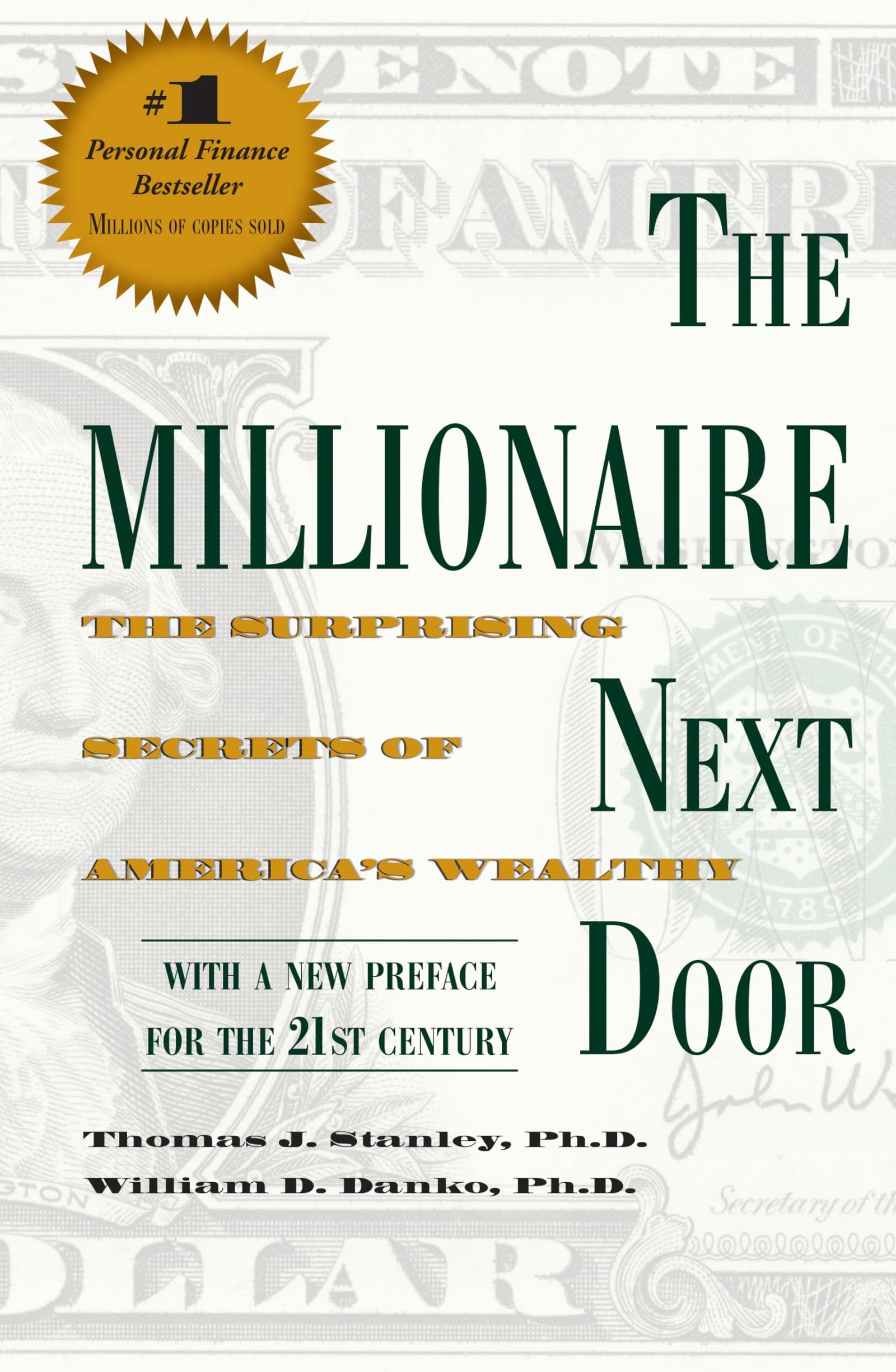

The Millionaire Next Door Book
Many people believe that millionaires live glamorous lives filled with luxury cars, designer clothes, and huge mansions. However, the groundbreaking book The Millionaire Next Door reveals a surprising truth: most wealthy individuals live ordinary lives.
This book was published in 1996 by Thomas J. Stanley and William D. Danko. This influential personal finance book is based on extensive research into the habits and lifestyles of American millionaires.
Instead of focusing on celebrities or famous billionaires, the authors studied everyday people who quietly built wealth over time. Their findings challenge many common assumptions about money and success.
In this detailed review, we explore the main ideas of the book, the key lessons it teaches, and why it remains one of the most recommended wealth-building books today.
Overview of The Millionaire Next Door
The Millionaire Next Door is not a typical financial advice book. Instead of presenting complicated investment strategies, the authors analyze the lifestyles and habits of real millionaires. After studying thousands of wealthy households, Stanley and Danko discovered that most millionaires share several important characteristics.
These individuals often:
- live below their means
• avoid unnecessary luxury spending
• save and invest consistently
• prioritize financial independence
• run small businesses or specialized professions
Contrary to popular belief, many millionaires do not appear wealthy at all. In fact, many of them live in middle-class neighborhoods, drive modest cars, and maintain simple lifestyles.
The book introduces the concept of “stealth wealth,” which means building significant wealth quietly without displaying it publicly.
Key Concept: Wealth vs Income
One of the most powerful ideas in the book is the difference between income and wealth. Many people assume that high-income earners automatically become wealthy. However, the research in the book shows that this is often not true. Someone earning a high salary but spending most of it on luxury items may have very little actual wealth.
Meanwhile, someone with a moderate income who saves and invests consistently may eventually become financially independent. In other words, wealth is not defined by how much you earn but by how much you keep and grow over time.
The Seven Traits of Wealth Builders
One of the most famous parts of the book is the list of seven characteristics commonly found among millionaires.
- They Live Well Below Their Means
Perhaps the most important lesson from the book is the importance of frugality. Most millionaires spend less than they earn. Instead of trying to impress others with expensive possessions, they focus on saving and investing. This discipline allows them to accumulate wealth gradually over many years.
- They Allocate Time, Energy, and Money Efficiently
Successful wealth builders carefully manage their resources. They spend time planning investments, managing finances, and building income opportunities. They also avoid wasting money on unnecessary purchases that do not contribute to their long-term financial goals.
- Financial Independence Is More Important Than Social Status
Many people spend money trying to appear successful. Millionaires in the study, however, value financial freedom more than public recognition. They prioritize long-term security over short-term status.
- They Avoid Economic Outpatient Care
The book introduces the concept of “economic outpatient care,” which refers to financial assistance given to adult children. According to the authors, excessive financial support can discourage independence and reduce the motivation to build wealth. Families that encourage financial independence often produce more financially successful children.
- Their Children Are Economically Self-Sufficient
Many millionaires teach their children the value of hard work and financial responsibility. Instead of giving large financial gifts, they focus on education and guidance so their children can build wealth on their own.
- They Choose the Right Occupation
Another surprising finding is that many millionaires work in relatively ordinary professions. Instead of glamorous careers, many choose stable professions or small businesses that generate steady income. Business owners, especially those in specialized niches, are more likely to become millionaires.
- They Are Skilled Investors
Millionaires consistently invest a portion of their income. Rather than speculating or chasing trends, they focus on long-term investments such as stocks, businesses, and real estate.
Over time, the power of compounding allows their investments to grow significantly.
The Myth of the Flashy Millionaire
One of the most eye-opening discoveries in the book is that many wealthy individuals do not look wealthy at all. Popular culture often portrays millionaires as people who drive luxury cars and live extravagant lifestyles. However, Stanley and Danko found that most millionaires prefer practical spending habits. For example, many millionaires drive used cars rather than expensive luxury vehicles. They also tend to keep cars for many years instead of frequently upgrading.
This behavior reflects a long-term mindset focused on wealth accumulation rather than status.
The Role of Frugality in Wealth Building
Frugality is one of the most consistent traits among millionaires.
This does not necessarily mean being cheap or refusing to spend money. Instead, it means spending intentionally and avoiding wasteful purchases.
Many millionaires track their expenses carefully and stick to a budget. They understand that every dollar saved today can be invested for future growth.
This disciplined approach helps them build wealth steadily over time.
Why The Millionaire Next Door Is Still Relevant
Although the book was published in the 1990s, its core lessons remain highly relevant today.
In a world dominated by social media and consumer culture, many people feel pressure to display wealth through expensive lifestyles.
The Millionaire Next Door offers a powerful reminder that real wealth often looks very different. Instead of focusing on appearances, the book encourages readers to prioritize financial independence, disciplined saving, and smart investing. These timeless principles continue to guide individuals seeking long-term financial security.
Strengths of the Book
One of the greatest strengths of the book is its research-based approach.
Rather than offering opinions or theories, the authors rely on real data collected from thousands of wealthy households. This makes the conclusions far more convincing than typical personal finance advice. Another strength is the book’s focus on behavior and mindset. While many financial books focus only on investment strategies, this book emphasizes the habits and attitudes that lead to wealth.
Potential Criticisms
Some readers argue that the book focuses heavily on frugality and budgeting, which may not fully reflect modern economic realities. Others believe that opportunities for wealth creation may be different today compared to when the book was written. However, the core message about disciplined financial habits remains widely respected.
Final Verdict
Overall, The Millionaire Next Door remains one of the most influential personal finance books ever written. Its key message is simple but powerful: wealth is usually built through consistent discipline rather than high income or flashy lifestyles. By living below your means, investing consistently, and focusing on financial independence, almost anyone can improve their financial future. If you are interested in personal finance, investing, or building long-term wealth, this book is definitely worth reading. Best for readers who want to understand the habits and mindset of real millionaires rather than chasing get-rich-quick schemes.
Conclusion
The biggest lesson to take home from The Millionaire Next Door is that wealth is often quiet. The millionaires described in the book are not celebrities or famous entrepreneurs. They are ordinary people who developed extraordinary financial habits. Their success comes from discipline, patience, and smart decision-making. If you adopt even a few of the principles discussed in this book, you may begin your own journey toward financial independence.
Read Also: Mindset by Carol S. Dweck Book Summary and Key Lessons