
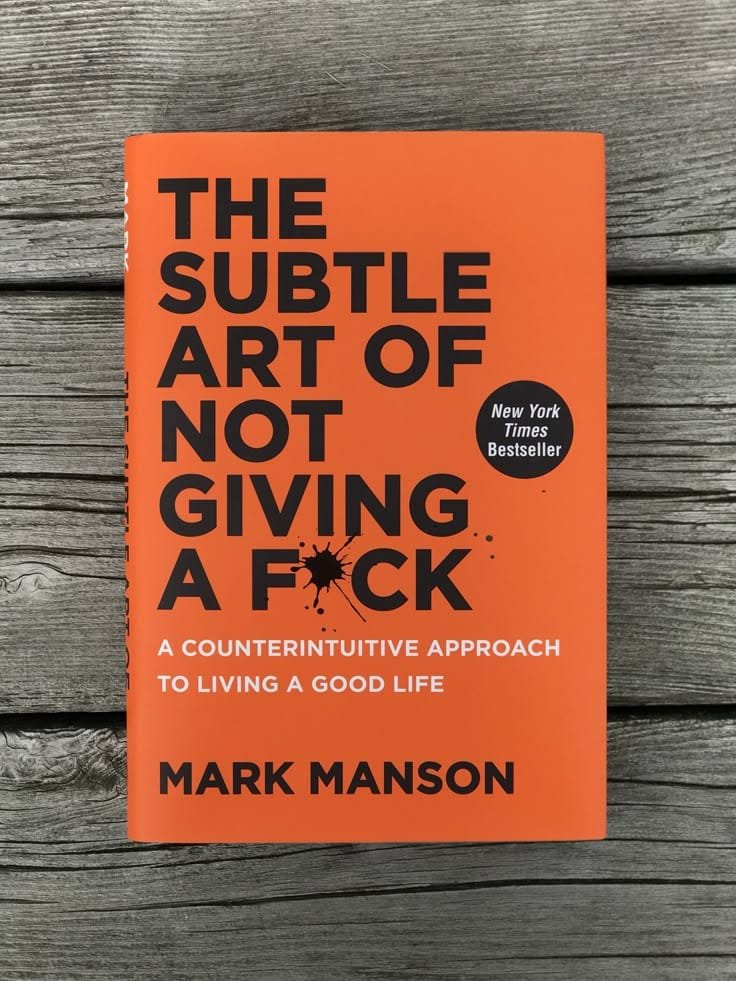

Modern self-help books often promise unlimited positivity, success, and happiness. However, The Subtle Art of Not Giving a Fck* challenges this idea completely. Written by bestselling author Mark Manson, the book argues that the key to a meaningful life is not endless positivity but learning what truly deserves your attention.
Through blunt humor, philosophical insight, and personal stories, Manson presents a different approach to personal development. Instead of trying to be happy all the time, he suggests that we should accept struggle and choose our values carefully.
In this detailed The Subtle Art of Not Giving a F*ck book summary and lessons guide, we will explore the core message of the book, its most important ideas, and the practical lessons readers can apply in everyday life.
What Is The Subtle Art of Not Giving a F*ck About?
At its core, the book is about priorities and values.
Manson argues that people waste enormous amounts of emotional energy caring about things that do not truly matter. Social media validation, unrealistic success expectations, and constant comparison create anxiety and dissatisfaction.
The real solution, according to Manson, is not to stop caring entirely. Instead, it is to be selective about what you care about.
In other words, the real skill is learning what is worth caring about and what is not.
The Subtle Art of Not Giving a F*ck Book Summary
Happiness Comes From Solving Problems
One of the first ideas introduced in this The Subtle Art of Not Giving a F*ck book summary is that happiness is not the absence of problems. Instead, happiness comes from solving meaningful problems.
Many people believe that a successful life means eliminating struggle. Manson rejects this belief.
Every life contains challenges. The difference between a fulfilling life and an empty one lies in which problems you choose to face.
For example, an entrepreneur may face financial stress, while an artist may face creative struggles. Both difficulties can still lead to fulfillment because they align with personal values.
The goal is not to remove problems but to choose better ones.
Not Everyone Is Special
Another powerful lesson in The Subtle Art of Not Giving a Fck* is the rejection of constant self-esteem culture.
Modern society encourages people to believe they are extraordinary simply for existing. Manson argues that this mindset can create unrealistic expectations.
When people expect greatness without effort, ordinary setbacks feel devastating.
Instead, Manson suggests accepting the truth: most people are average at most things. Ironically, this acceptance can be liberating. When you stop trying to prove your greatness, you gain the freedom to grow naturally.
The Importance of Values
A central idea in this The Subtle Art of Not Giving a F*ck summary and lessons guide is the concept of choosing better values.
Manson explains that many people base their happiness on shallow values such as:
-
Fame
-
Popularity
-
Social status
-
Constant pleasure
However, these values are unstable because they depend on external validation. Healthy values, on the other hand, include things like:
-
Personal growth
-
Honesty
-
Responsibility
-
Contribution
When your values are internal and controllable, your sense of fulfillment becomes stronger and more stable.
Responsibility Is Empowering
One of the book’s most important lessons is the idea that taking responsibility leads to freedom.
This concept does not mean that you are responsible for every event that happens to you. Instead, it means you are responsible for how you respond to those events.
Manson explains that people who constantly blame circumstances often remain stuck. By accepting responsibility, individuals regain the ability to change their lives. Responsibility, therefore, becomes a tool for empowerment.
Failure Is the Path to Growth
Another key message in The Subtle Art of Not Giving a Fck* is the role of failure in personal development.
Many people fear failure because they associate it with humiliation or inadequacy. However, Manson argues that failure is essential for learning.
Every successful person experiences repeated failure before achieving mastery. Avoiding failure only prevents progress.
By embracing failure as feedback, individuals can develop resilience and long-term confidence.
Major Takeaways from The Subtle Art of Not Giving a F*ck
The book contains several powerful insights that challenge conventional self-help thinking.
First, happiness comes from solving meaningful problems rather than avoiding discomfort. Second, accepting your limitations can actually lead to greater confidence and growth. Third, choosing strong personal values helps create a stable sense of purpose.
In addition, the book emphasizes the importance of responsibility. When people stop blaming external forces and focus on their own choices, they regain control over their lives.
Finally, the book encourages readers to accept that life will always contain uncertainty and difficulty. Instead of resisting these realities, learning to face them with honesty and courage leads to a more meaningful life.
Key Life Lessons from The Subtle Art of Not Giving a F*ck
Choose What Matters
You cannot care about everything. Your energy and attention are limited resources. Learning to prioritize what truly matters is essential for mental clarity and happiness.
Embrace Discomfort
Growth rarely happens in comfort zones. By accepting discomfort as part of progress, individuals become more resilient and capable.
Stop Chasing Constant Happiness
The pursuit of constant happiness often leads to disappointment. Accepting negative emotions as part of life creates emotional balance.
Accept Your Limitations
Acknowledging your weaknesses can actually strengthen your confidence. When expectations become realistic, progress becomes more achievable.
Why The Subtle Art of Not Giving a F*ck Became So Popular
Since its release, The Subtle Art of Not Giving a Fck* has sold millions of copies worldwide.
Its popularity stems from its honest and unconventional approach to self-help. Instead of offering empty motivational slogans, Manson presents practical insights about responsibility, values, and emotional resilience.
Readers appreciate the book’s straightforward language and relatable examples, which make complex psychological ideas easier to understand.
Is The Subtle Art of Not Giving a F*ck Worth Reading?
For readers interested in personal development, this book offers a refreshing perspective.
Rather than encouraging unrealistic positivity, it focuses on realism, responsibility, and meaningful priorities. Readers who appreciate direct, honest advice will likely find the book insightful and motivating.
Final Thoughts
This The Subtle Art of Not Giving a F*ck book summary and lessons guide highlights one essential idea: a meaningful life depends on what you choose to care about.
By focusing on strong values, accepting responsibility, and embracing challenges, individuals can build a more authentic and fulfilling life.
Ultimately, the book encourages readers to stop chasing approval and instead focus on what truly matters.