
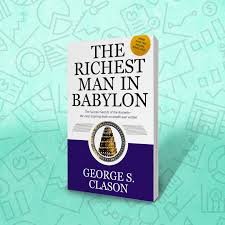

The Richest Man in Babylon by George S. Clason is a classic personal finance book that teaches timeless money principles through a series of parables set in ancient Babylon. Rather than using modern financial jargon, the book relies on simple storytelling to explain how wealth is built, protected, and sustained over time.
Despite its ancient setting, the lessons feel strikingly modern. The book’s core message is clear: wealth is not about how much you earn, but how well you manage what you earn.
Babylon and the Question of Wealth
The book opens in the prosperous city of Babylon, known as the richest city in the ancient world. Two friends, Bansir the chariot builder and Kobbi the musician, are frustrated despite years of hard work. They earn money but have nothing to show for it. Watching the wealthy citizens of Babylon live comfortably, they ask a simple but powerful question:
Why do some people grow rich while others struggle, even when they work just as hard?
Their search for answers leads them to the wealthiest man in the city — Arkad, known as The Richest Man in Babylon.
Arkad’s First Lesson: Pay Yourself First
Arkad explains that his wealth did not come from luck or inheritance, but from learning how money works. His most important rule is simple:
Save at least one-tenth of everything you earn.
This principle — “pay yourself first” — is the foundation of wealth in the book. Arkad teaches that people often spend everything they earn and blame low income, but the real problem is poor money discipline. By consistently setting aside a portion of income, no matter how small, wealth begins to grow.
Learning to Control Expenses
Saving alone is not enough. Arkad emphasizes the difference between necessary expenses and desires disguised as needs. He teaches that many people increase their spending as their income grows, leaving them no better off.
The lesson here is restraint: Live below your means.
True wealth comes from controlling expenses, not inflating lifestyle.
Making Money Work for You
Arkad’s next teaching focuses on investing wisely. Money that is saved but not invested remains idle. He explains that wealth grows when money is put to work and earns more money.
However, Arkad warns against reckless investments. He shares stories of people who lost their savings by trusting bad advice or investing in things they did not understand. The lesson is clear:
-
Seek advice from people who are successful in the area you want to invest in
-
Avoid schemes that promise quick riches
-
Protect your capital before chasing profits
The Role of Wisdom and Preparation
As the book progresses, Clason introduces other characters and stories to reinforce Arkad’s ideas. One recurring lesson is that opportunity favors the prepared mind. Those who seek financial knowledge and apply it consistently are the ones who benefit when opportunities arise.
The book stresses that education — especially financial education — is essential for long-term success.
Protecting Wealth and Avoiding Loss
Another key theme in The Richest Man in Babylon is wealth protection. Arkad explains that earning and investing money means little if it is easily lost. He advises readers to insure against loss, avoid unnecessary risks, and diversify wisely.
The message is not to fear risk entirely, but to approach it intelligently.
Increasing Your Ability to Earn
Beyond saving and investing, the book teaches that people should continuously work to improve their skills and knowledge. Increasing earning power makes wealth-building easier and faster.
This lesson encourages self-improvement, learning new skills, and staying valuable in one’s profession.
The Five Laws of Gold
One of the most memorable sections of the book outlines the Five Laws of Gold, which summarize the core financial philosophy of Babylon:
-
Gold comes gladly to those who save a portion of their earnings
-
Gold works diligently when invested wisely
-
Gold clings to the protection of the cautious owner
-
Gold slips away from those who invest in things they do not understand
-
Gold flees from schemes that promise impossible gains
These laws tie together the book’s central ideas and serve as a practical framework for financial decision-making.
How the Book Ends: A Blueprint for Financial Freedom
By the end of the book, the reader understands that wealth is not mysterious or reserved for a lucky few. It is the result of consistent habits practiced over time: saving, investing wisely, controlling expenses, protecting capital, and continuously learning.
The ancient setting fades, but the principles remain timeless.
Final Takeaway
The Richest Man in Babylon teaches that financial success is built through discipline, patience, and knowledge. Its parable-based storytelling makes complex financial ideas accessible and memorable, making it one of the most influential personal finance books ever written.
The book’s enduring relevance lies in its simplicity: do the basics well, consistently, and wealth will follow.