
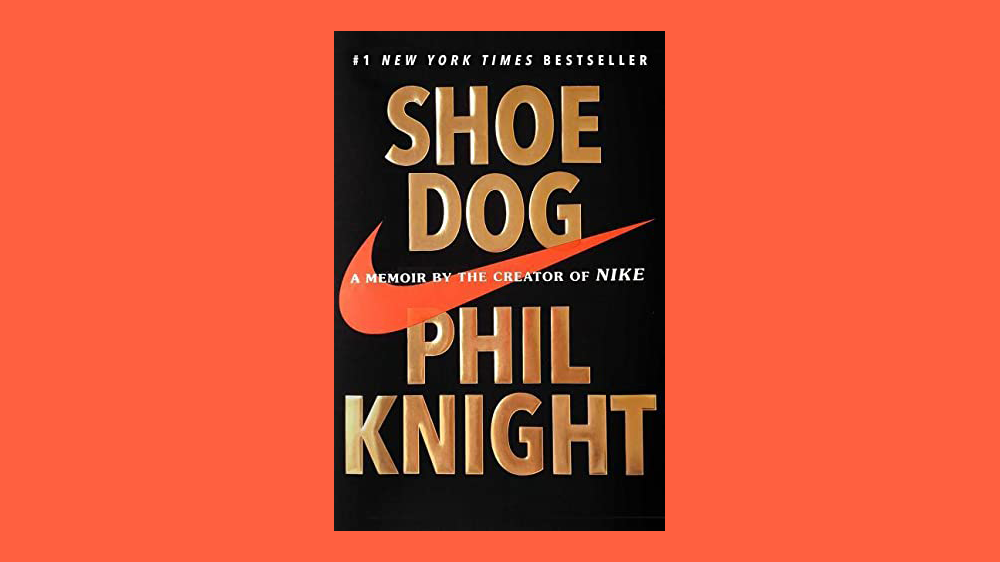

Shoe Dog by Phil Knight is not a typical start-up guide. There are no step-by-step frameworks or motivational slogans. Instead, it offers something far more valuable: an honest account of what it really feels like to build a company from nothing.
This article explores what every start-up can learn from Phil Knight’s Shoe Dog — from navigating uncertainty to surviving cash flow crises and building culture under pressure.
1. You Don’t Need Complete Clarity to Start, You Need Conviction
Phil Knight didn’t start Nike with a perfectly formed vision of a global brand. He began with a simple idea, a love for running, and a belief that better athletic shoes could exist.
One of the biggest start-up lessons from Shoe Dog is that clarity often comes after action. Start-ups don’t need flawless plans at the beginning. They need conviction, movement, and the willingness to figure things out along the way.
2. Cash Flow Problems Are a Start-up Reality
A recurring theme in Shoe Dog is money, or the constant lack of it. Even as Nike grew, it was almost always on the edge financially.
For start0ups, this is a crucial lesson. Growth does not automatically mean stability. Cash flow challenges are normal, persistent, and often more stressful than product development itself. Many start-ups fail not because the idea is weak, but because financial pressure becomes overwhelming.
3. Building a Start-up Can Be Lonely
Despite having a team, Phil Knight often describes the isolation that came with leadership. Decision-making, responsibility, and fear sat heavily on him.
This is one of the most relatable start-up lessons from Shoe Dog: leadership can feel lonely, even when you’re surrounded by people. Feeling uncertain or overwhelmed doesn’t mean you’re failing—it means you’re carrying the weight of building something real.
4. Company Culture Is Forged in Difficult Moments
Nike’s culture wasn’t carefully designed at the start. It emerged through shared struggle, long hours, and a collective commitment to survival.
For start-ups, Shoe Dog shows that culture isn’t defined by values written on a website. It’s shaped by how teams respond to pressure, setbacks, and uncertainty. The hardest moments often reveal — and solidify — what a company truly stands for.
5. Start-up Growth Is Rarely Linear
Phil Knight’s journey was full of contradictions: wins followed by near-collapse, expansion followed by legal battles, confidence followed by doubt.
One of the clearest lessons from Shoe Dog is that start-up growth is messy. Progress doesn’t move in straight lines, and setbacks don’t cancel success. If your start-up feels unpredictable, that doesn’t mean it’s broken, it means it’s alive.
6. Obsession Matters More Than Motivation
Phil Knight wasn’t a loud or charismatic founder. What sustained him was obsession — a deep, quiet commitment to the work itself.
Start-ups often focus on motivation, but Shoe Dog suggests something more durable matters: obsession. Motivation fades. Obsession keeps you showing up when things are uncomfortable, uncertain, and slow.
Conclusion
Shoe Dog teaches that start-up success isn’t built on confidence alone. It’s built on endurance, belief, persistence, and the ability to survive long stretches of uncertainty.
If you’re building a start-up and it feels harder than you expected, Phil Knight’s story offers reassurance. Struggle isn’t a sign you’re doing it wrong, it’s often a sign that you’re doing something meaningful.