

If you’ve ever typed “best investing books for beginners” into Google at 11 p.m. after promising yourself you’ll finally get serious about money — you’re not alone.
Investing can feel intimidating at first. Stocks, ETFs, mutual funds, compound interest, market crashes, bull runs… it’s a lot. And when you’re just starting out, the last thing you need is a textbook disguised as a “beginner’s guide.” You need clarity. You need language that makes sense. You need a book that doesn’t assume you already know what a balance sheet is.
The good news? The right investing book can completely change how you see money. It can shift you from “I hope I don’t mess this up” to “I actually understand what I’m doing.” It can teach you how wealth is built slowly, intentionally, and intelligently — not through hype, but through strategy.
That’s why this list of the best investing books for beginners isn’t just a random roundup. These are books that explain how the stock market works, how index funds reduce risk, why long-term investing wins, and how everyday people build real financial security. Whether you’re learning about stocks for the first time, exploring ETFs and mutual funds, or trying to understand passive income, these beginner investing books will give you a strong foundation.
Because here’s the truth: you don’t need to be a finance major to invest wisely. You just need the right starting point.
Let’s get into the books that make investing make sense.
1. The Secrets of the Millionaire Mind — by T. Harv Eker
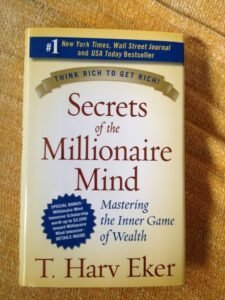
You’ll learn how your financial “money blueprint” shapes your income, savings habits, and wealth potential. This book focuses on wealth mindset, financial conditioning, and the belief systems that influence financial success. It explains how self-image, risk tolerance, and income ceilings affect long-term wealth building.
2. The Psychology of Money — by Morgan Housel
You’ll understand why investing success depends more on behavior than technical skill. The book explores investing psychology, emotional decision-making, long-term investing, compound growth, and the power of patience. It teaches that managing emotions and expectations is central to financial freedom.
3. The Business of Venture Capital — by Mahendra Ramsinghani
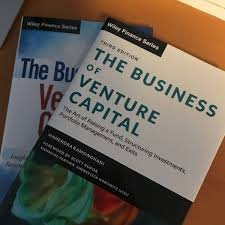
You’ll gain a practical guide to venture capital, including how VC firms raise funds, evaluate startups, structure deals, manage portfolios, and plan exits. It’s essential reading for understanding startup investing, private equity structures, fund economics, and venture capital strategy.
4. How Big Things Get Done — by Bent Flyvbjerg
You’ll learn why large projects often fail and how successful leaders manage risk, forecasting errors, and execution challenges. The book covers strategic planning, megaproject management, budgeting accuracy, and decision science for large-scale ventures and infrastructure projects.
5. Adaptive Markets — by Andrew W. Lo
You’ll explore the Adaptive Markets Hypothesis, which blends behavioral finance and evolutionary theory. The book explains how financial markets evolve, why investor behavior shifts over time, and how market efficiency depends on adaptation, competition, and survival dynamics.
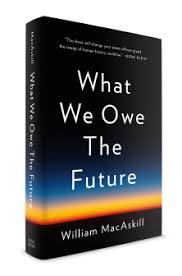
6. What We Owe the Future — by William MacAskill
You’ll examine longtermism — the idea that today’s decisions significantly impact future generations. The book discusses ethical investing, global catastrophic risks, technological progress, and how policy, innovation, and philanthropy can shape humanity’s long-term future.
7. Richer, Wiser, Happier — by William Green
You’ll learn investing strategies and life principles from some of the world’s most successful investors. The book highlights value investing, capital allocation, disciplined thinking, emotional resilience, and decision-making frameworks that lead to both wealth and fulfillment.
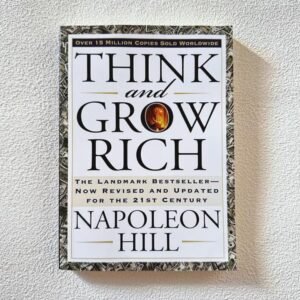
8. Think and Grow Rich — Napoleon Hill
A timeless classic, this book reveals the mindset principles behind wealth creation. You’ll learn about goal-setting, persistence, visualization, and how to turn desire into tangible results — lessons that go beyond money to success in life.
9. The Richest Man in Babylon — George S. Clason
Through engaging parables set in ancient Babylon, you’ll learn fundamental money lessons: live below your means, save consistently, invest wisely, and take advantage of compounding. It’s simple, practical, and timeless advice for beginners.
10. Rich Dad, Poor Dad — Robert T. Kiyosaki
This book contrasts two approaches to money — one focused on earning and working for income (Poor Dad) and one on building assets and financial intelligence (Rich Dad). You’ll learn the difference between assets and liabilities, the importance of financial literacy, and how to think like an investor from the ground up.