
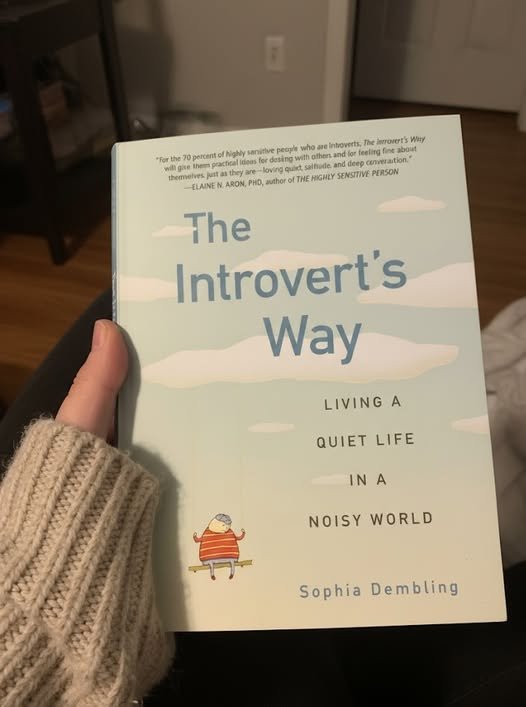

The Introvert’s Way: Living a Quiet Life in a Noisy World by Sophie Dembling is a thoughtful exploration of introversion, what it really means, how it shapes behavior, and how introverts can flourish in a world that often prioritizes extroversion. Dembling combines research, personal anecdotes, and empathetic insight to show that introversion is not a flaw, but a distinct way of experiencing the world.
While many self‑help books lean on strategies to fix introverts, Dembling’s work takes a different approach: validate introversion, explain its strengths, and provide tools to navigate social and professional situations confidently.
Whether you’re an introvert yourself, a parent of an introverted child, or someone who works with introverts, The Introvert’s Way offers clarity, comfort, and practical guidance.
What “Introvert” Really Means
A central theme in the book is redefining introversion. Dembling explains that introversion is not the same as shyness or social anxiety. Instead, it’s a preference for lower‑stimulation environments and deeper internal processing.
Introverts tend to:
-
Recharge by spending time alone
-
Think deeply before speaking
-
Enjoy one‑on‑one interactions more than group settings
-
Feel drained by prolonged high‑energy environments
Unlike shyness — which is fear‑based — introversion is about how people respond to stimulation and social energy.
Key takeaway: Introversion is a personality orientation, not a deficit.
How Introverts Recharge
One of the most important ideas in the book is the concept of “recharging.” Extroverts gain energy through interaction, excitement, and external stimulation, while introverts gain energy through solitude and calm environments.
Dembling emphasizes that social fatigue is real for introverts, it’s not about being antisocial, but about needing time alone to recover after social activity.
Misconceptions About Introverts
Dembling addresses common myths and misconceptions:
Myth 1: Introverts Don’t Like People
False. Introverts value deep connections, but they often prefer one‑on‑one conversations over large crowds.
Myth 2: Introverts Are Shy
Shyness is fear of social judgment. Introversion is about where you get your energy.
Myth 3: Introverts Should “Act More Extroverted”
The book argues that forcing extroverted behaviors long‑term can lead to burnout and emotional exhaustion.
Key takeaway: Introversion is not a problem to fix, it’s a style to understand and embrace.
The Introvert’s Inner World
Dembling explains what it feels like to be an introvert from the inside:
-
Constant reflection and deep thinking
-
Observing before participating
-
Choosing words carefully
-
Processing experiences internally
The author describes how introverts often have rich inner lives — full of ideas, creativity, and thoughtful consideration — which can be a strength in creative and intellectual pursuits.
Social Situations: Navigating the World as an Introvert
The book offers practical guidance for introverts in social environments that may feel draining or overwhelming.
1. Choosing When to Engage
Introverts don’t thrive in constant social stimulation. Dembling encourages introverts to choose interactions that matter and politely decline those that don’t.
2. How to Recharge After Social Events
Instead of feeling guilty for needing alone time after a party or meeting, the book normalizes this need and provides tips for effective recharging.
3. Small Talk vs. Deep Talks
Introverts often dislike small talk and prefer meaningful conversations. Dembling doesn’t dismiss small talk entirely but suggests ways to steer conversations toward substance when possible.
Key takeaway: Introverts can succeed socially by honoring their preferences and pacing themselves.
Introverts at Work
Dembling dedicates a section to how introverts operate in professional settings, where extroversion is often rewarded.
Communication Styles
Introverts may think before speaking and prefer written communication, which is not a weakness but a different working style.
Meetings and Group Projects
Introverts may feel drained by long meetings or group brainstorming sessions. Dembling suggests strategies like:
-
Preparing points ahead of time
-
Asking for agendas in advance
-
Taking breaks when possible
-
Using written input when appropriate
These approaches help introverts contribute effectively without exhausting themselves.
Leadership as an Introvert
Contrary to the stereotype that leaders must be extroverts, Dembling points out that introverts can be highly effective leaders, often more reflective, empathetic, and thoughtful in decision‑making.
Key takeaway: Introverts don’t need to mimic extroverts to succeed, they can lead in their own unique way.
Friendship and Relationships
Introversion affects how people interact in close relationships. Dembling addresses:
Choosing Compatible Friends
Introverts value loyalty and depth in friendships. They may have fewer friends, but these are often meaningful and lasting relationships.
Romantic Relationships
Introverts and extroverts can complement each other, but the book highlights the importance of communication and understanding differences in energy needs.
Family Dynamics
Managing introverted preferences in family settings — like choosing quiet activities or private time — can reduce stress and build mutual respect.
Key takeaway: Healthy relationships honor both parties’ communication styles and needs.
Self‑Acceptance and Growth
A major goal of the book is helping introverts accept themselves fully. Dembling emphasizes:
-
Recognizing your strengths
-
Understanding your energy limits
-
Setting boundaries without guilt
-
Cultivating authenticity
Instead of trying to be more extroverted, introverts benefit from learning their natural strengths and how to use them intentionally.
Practical Exercises for Introverts
The Introvert’s Way includes thoughtful exercises, such as:
-
Journaling about social preferences
-
Tracking energy levels after events
-
Creating a “recharge routine”
-
Practicing small assertive statements in conversation
These activities help introverts better understand their patterns and build confidence in managing their lives in ways that feel comfortable and empowering.
Final Thoughts: Why This Book Matters
Sophie Dembling’s The Introvert’s Way doesn’t just define introversion, it celebrates it. The book offers a balanced mix of psychology, reflection, and practical tools that help introverts:
-
Understand their identity
-
Navigate social and professional environments
-
Build confidence and self‑respect
-
Enjoy deeper connections without exhaustion
This book is not about changing who you are, it’s about understanding and thriving as who you already are.