
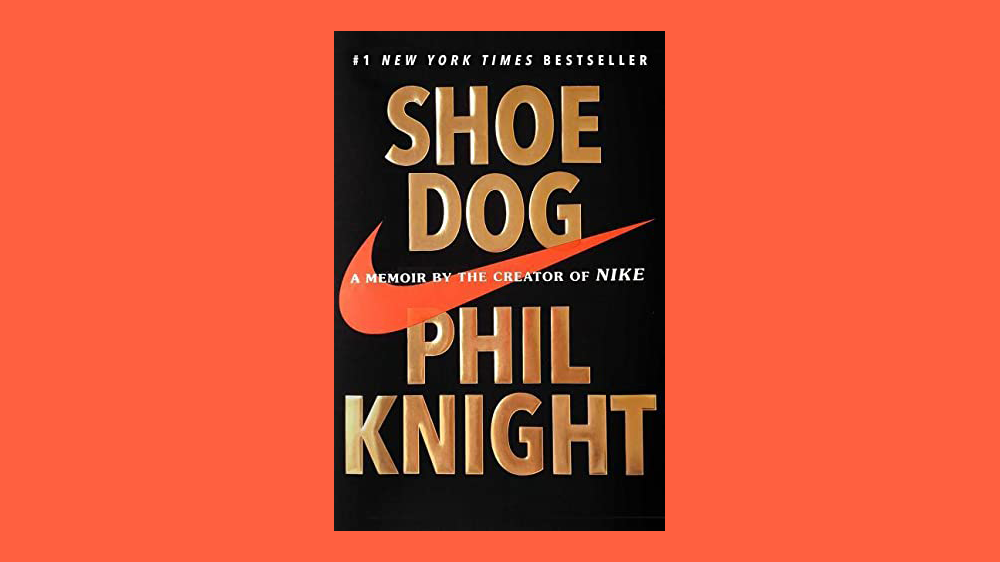

Let me start with this: If you think Shoe Dog is a book about success, you’re already misunderstanding it. Shoe Dog by Phil Knight is a book about fear. About debt. About not knowing what you’re doing and doing it anyway.
It’s about building one of the biggest brands in the world while constantly feeling like it could all collapse tomorrow. And that’s why it works.
This Book Doesn’t Start With Nike. It Starts With Restlessness.
Before the swoosh. Before Nike. Before billions.
Phil Knight is just a young man who doesn’t want a conventional life. Fresh out of business school, unsure of his place in the world, he travels across Asia and stumbles on an idea that won’t let him go: high-quality, affordable running shoes made in Japan. No master plan. No investors lined up. No guarantee this will work.
Just a conviction he can’t explain, and a quiet refusal to let it die. That restlessness sets the tone for the entire book. This is the origin story of Nike, told directly by its founder, Phil Knight, in Shoe Dog.
The Most Shocking Truth in Shoe Dog: Nike Was Almost Always Broke
Here’s something most summaries don’t emphasize enough: Nike was successful long before it was stable. In Shoe Dog, Phil Knight repeatedly describes moments when sales were booming, but the company was drowning in cash-flow problems. Banks didn’t trust them. Loans were constantly at risk. Bankruptcy hovered like a shadow.
Every time the business seemed to gain momentum, something threatened to destroy it:
-
A hostile bank
-
A delayed shipment
-
A lawsuit
-
A supplier turning against them
This is one of the most important lessons in Shoe Dog: Growth doesn’t save a business. Cash flow does.
For entrepreneurs reading this, it’s both terrifying and comforting. because if Nike struggled this badly, maybe your chaos isn’t a sign of failure after all.
Phil Knight Is Not the “Confident Founder” You Expect
One reason Shoe Dog feels so different from other business books is that Phil Knight doesn’t perform confidence. He avoids confrontation. He struggles with communication. He keeps things bottled up. He doubts himself constantly. He doesn’t pretend to be a natural leader, and he doesn’t rewrite history to make himself look brilliant.
That honesty is rare. And strangely, it makes the story more powerful. Because leadership, as Shoe Dog shows, isn’t about charisma. It’s about staying even when you’re uncomfortable, afraid, or unsure.
The Soul of Nike Was Built by Misfits and Believers
Another thing that makes Shoe Dog by Phil Knight so engaging is how much space it gives to people. Not org charts. Not strategy decks. People.
Early Nike employees weren’t polished corporate types. They were runners, dreamers, oddballs — people who believed in something they couldn’t fully articulate yet. And then there’s Steve Prefontaine.
Prefontaine isn’t just an athlete in this book; he’s a symbol. Of rebellion. Of pushing limits. Of running not to win, but to feel alive. Through these relationships, Shoe Dog quietly explains how Nike became Nike: Not through advertising first, but through belief.
What Shoe Dog Really Teaches (Beyond the Hype)
If you strip away the brand name and the fame, Shoe Dog teaches some uncomfortable truths:
1. You Will Feel Unqualified for a Long Time
Phil Knight often had no idea what he was doing—and still had to make decisions anyway.
2. Fear Doesn’t Go Away When You “Make It”
Even as Nike grows, the anxiety grows with it.
3. Obsession Is the Only Fuel That Lasts
Not motivation. Not applause. Obsession.
4. Success Is Messy While You’re Living It
Only in hindsight does it look intentional.
These are the real lessons of Shoe Dog, and they’re why the book resonates far beyond business circles.
Why Shoe Dog Still Hits Hard Today
In a world full of curated success stories and “overnight wins,” Shoe Dog feels grounding.
It doesn’t glamorize the grind, but it doesn’t dismiss it either. It simply says: This is what it cost. This is what it felt like. Decide for yourself if it’s worth it.
And that honesty makes Shoe Dog by Phil Knight one of the most important entrepreneurial memoirs ever written.