
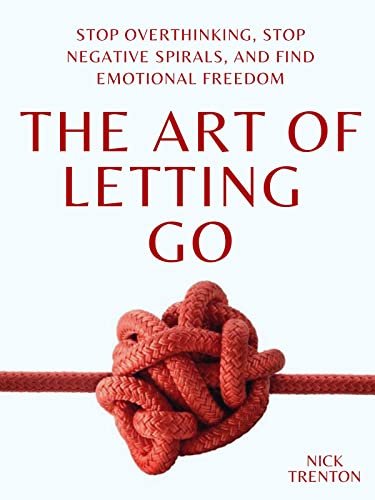

The Art of Letting Go is a practical, mindset-focused self-help book that explores one deceptively simple truth: most of our emotional pain comes from holding onto the past too long. This includes past mistakes, toxic relationships, unmet expectations, fear, anger, guilt, and even outdated versions of ourselves.
Nick Trenton approaches letting go not as a vague spiritual idea, but as a skill you can learn, practice, and master, making it a must-read for anyone seeking emotional freedom, mental clarity, and personal growth.
What the Book Is Really About
At its core, The Art of Letting Go teaches that letting go isn’t about giving up or pretending things didn’t matter. Instead, it’s about releasing emotional attachments that no longer serve you, so you can reclaim peace of mind, clarity, and emotional energy.
Trenton explains that humans are naturally wired to cling—to certainty, control, and familiar pain—even when it hurts us. The book’s mission is to help readers recognize unhealthy attachment patterns and gently dismantle them.
Key Ideas and Lessons
Throughout the book, Trenton breaks down why letting go is difficult and how to finally do it:
-
You can’t control everything: Trying to control outcomes creates anxiety. Accepting reality reduces stress.
-
Your thoughts are not facts: Learn to observe thoughts without getting trapped in them.
-
Emotional attachment creates suffering: When your identity, happiness, or self-worth are tied to people or outcomes, pain is inevitable.
-
The past has no obligation to make sense: Closure comes from within, not from others.
-
Letting go creates space: Releasing resentment, fear, and regret makes room for growth, peace, and new opportunities.
How the Book Helps You Let Go
The book isn’t just theory, it provides actionable strategies for emotional release and mindset transformation, including:
-
Mental reframing techniques to shift perspective
-
Simple mindfulness practices to stay grounded
-
Exercises to detach from negative thoughts
-
Tools to accept uncertainty and impermanence
Trenton’s tone is calm, conversational, and reassuring, making letting go feel achievable rather than intimidating.
Style and Tone
Trenton writes in a clear, relatable style without heavy psychology jargon. Reading the book feels like a thoughtful conversation with someone who truly understands overthinking, emotional exhaustion, and carrying too much mental weight.
Big Takeaway
Peace doesn’t come from fixing everything, it comes from loosening your grip. By letting go of what you cannot control and what no longer aligns with who you are becoming, you free yourself to live fully in the present.
In One Sentence:
The Art of Letting Go shows that letting go isn’t weakness, it’s emotional intelligence in action.