
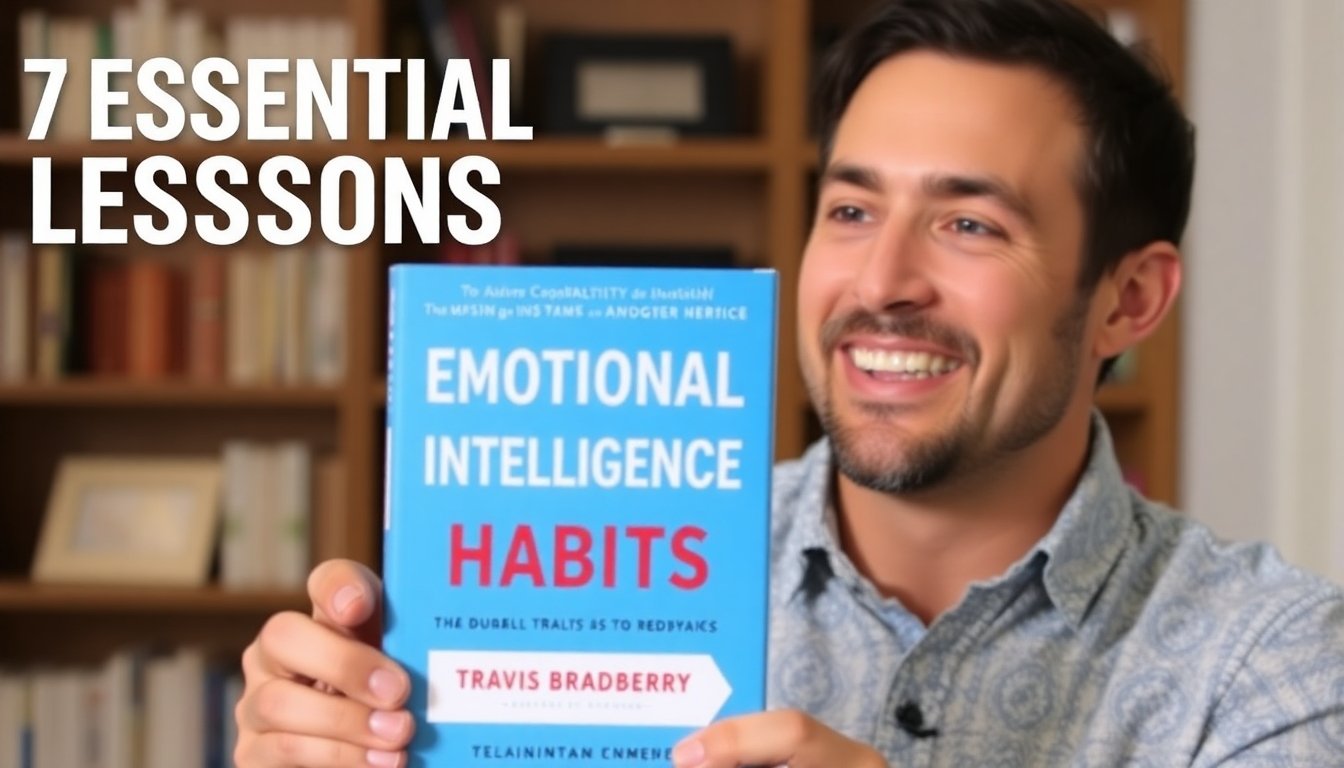

Understanding Emotional Intelligence
Emotional intelligence (EI) is a multifaceted skill set that plays a pivotal role in how individuals navigate both personal and professional landscapes. Defined by Travis Bradberry, emotional intelligence encompasses several core components: self-awareness, self-regulation, motivation, empathy, and social skills. Each of these components contributes to how we recognize and manage our emotions, while also allowing us to understand and influence the emotions of others.
The significance of emotional intelligence cannot be overstated. In personal relationships, individuals with high emotional intelligence tend to communicate more effectively, resolve conflicts, and build deeper connections. They are adept at recognizing emotional cues, both within themselves and in others, which facilitates more meaningful interactions. In a professional context, emotional intelligence is equally critical. Research indicates that leaders who possess strong EI are more likely to inspire, engage, and motivate their teams, leading to improved workplace dynamics and enhanced productivity.
Moreover, developing emotional intelligence is vital for overall well-being. By enhancing self-awareness, individuals can better understand their emotional triggers and responses, leading to improved decision-making and reduced stress. Self-regulation allows individuals to manage their impulses and reactions in challenging situations, fostering resilience. Additionally, empathy—a key component of emotional intelligence—enables one to connect with others, fostering supportive relationships that can mitigate feelings of isolation and anxiety.
In essence, emotional intelligence serves as a powerful tool that can influence various aspects of life. By cultivating a deeper understanding of its components and their implications, individuals can embark on a journey towards improved relationships, workplace effectiveness, and personal happiness. This foundational understanding of emotional intelligence is crucial for anyone seeking to enhance their interpersonal skills and achieve greater success in life.
Habit 1: Self-Awareness and Its Importance
Self-awareness serves as the foundational element of emotional intelligence, a concept extensively elaborated upon in Travis Bradberry’s book, “Emotional Intelligence Habits.” At its core, self-awareness involves recognizing and understanding one’s emotions, strengths, and weaknesses. This deep understanding enables individuals to navigate their emotional landscapes effectively, leading to informed and balanced decision-making.
Recognizing emotions is the first crucial step in fostering self-awareness. Often, individuals may experience emotions without fully understanding their origins or implications. By paying attention to emotional cues, individuals can identify triggers and patterns, allowing for improved emotional regulation. This practice not only enhances one’s self-perception but also facilitates stronger interpersonal relationships, as it equips individuals to respond thoughtfully rather than react impulsively.
One effective technique to enhance self-awareness is mindfulness practice. Engaging in mindfulness cultivates a non-judgmental awareness of thoughts and feelings, promoting emotional clarity. Simple exercises, such as focusing on breath or observing thought patterns, can significantly sharpen self-awareness over time. Such practices allow individuals to reflect on their emotional responses and consider alternative perspectives before jumping to conclusions or actions.
Journaling also serves as a powerful tool for enhancing self-awareness. Documenting thoughts and emotions can provide a tangible record of one’s feelings, making it easier to identify recurring themes and trends. By reviewing past entries, individuals gain valuable insights into their emotional development and behavioral patterns, ultimately empowering them to take charge of their emotional responses.
By committing to the habit of self-awareness, individuals benefit from improved decision-making capabilities and emotional regulation. These skills are essential not only for personal growth but also for fostering healthier relationships, both in personal and professional contexts.
Habit 2: Empathy as a Core Skill
Empathy is often regarded as a cornerstone of emotional intelligence, significantly influencing how individuals navigate interpersonal relationships. Developing empathy allows individuals to connect deeply with others, fostering not only better relationships but also enhancing effective communication. This skill enables individuals to put themselves in the shoes of others, thereby facilitating a richer understanding of differing emotional states and viewpoints.
One key aspect of cultivating empathy is through active listening. This involves fully concentrating, understanding, responding, and remembering what the other person is saying. Active listening requires undivided attention, making it essential to eliminate distractions during conversations. Techniques such as nodding, using affirmative phrases, and summarizing the speaker’s points can signal genuine interest and understanding. By practicing active listening, individuals demonstrate that they value the speaker’s emotions and perspectives, promoting a stronger emotional connection.
Moreover, perspective-taking exercises can further enhance empathetic skills. This technique invites individuals to explore situations from various viewpoints to grasp the underlying emotional currents effectively. Engaging in role-playing scenarios or discussing hypothetical situations can aid in understanding how others might feel in specific circumstances. This practice helps in identifying emotional triggers and reactions, fostering a greater capacity for compassion.
Additionally, cultivating an empathetic mindset can lead to greater collaboration and teamwork. When team members understand and appreciate each other’s feelings and motivations, they are better equipped to resolve conflicts and work towards common goals. Thus, empathy serves not only as a fundamental component of emotional intelligence but also as a vital skill that enhances both personal and professional relationships. By prioritizing empathy in daily interactions, individuals can build a more supportive and understanding environment that nurtures healthy connections.
Habit 3: Managing Relationships Effectively
Managing relationships effectively is a cornerstone of emotional intelligence, as it enables individuals to navigate social complexities and foster meaningful connections. One crucial strategy in this realm is conflict resolution. Conflicts are an inevitable part of interpersonal interactions, and how they are addressed can either strengthen or weaken relationships. To resolve conflicts positively, it is essential to approach disagreements with a mindset geared towards understanding. This involves actively listening to the other party’s perspective, acknowledging their feelings, and collaboratively exploring solutions that benefit all involved.
Another important aspect of managing relationships is the role of feedback. Constructive feedback is vital in promoting personal and professional growth. It helps individuals recognize their strengths and areas for improvement, contributing to a culture of openness and trust. When providing feedback, it is essential to focus on specific behaviors rather than personal attributes, framing comments in a way that encourages improvement. Likewise, being open to receiving feedback can also enhance one’s relational skills. This reciprocity fosters an environment where communication is valued, encouraging deeper connections over time.
Maintaining healthy boundaries is equally crucial for effective relationship management. Boundaries delineate personal space and clarify expectations, which is necessary for mutual respect. When boundaries are established clearly and consistently, individuals can avoid feelings of resentment or overwhelm, thus nurturing more harmonious interactions. It is important to communicate these boundaries assertively and to engage in proactive discussions about each party’s needs. Following these practices not only strengthens existing relationships but also cultivates opportunities for new connections, laying the groundwork for lasting bonds in both personal and professional spheres.